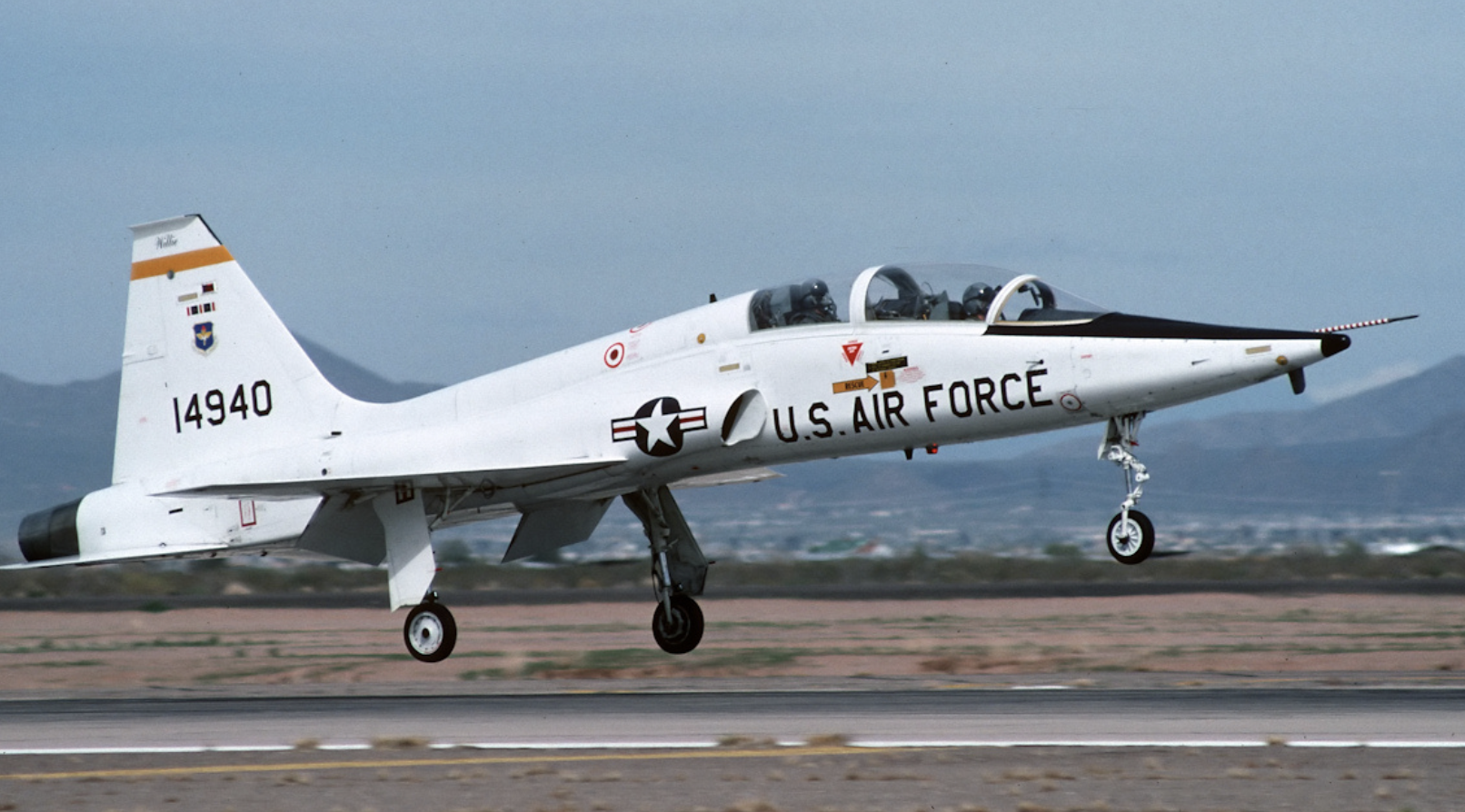
Pilot Training T-37
I was at Reese AFB, Texas, for about 9 months before a pilot training slot became available.
This was it!
I was excited, but a little scared too. The Air Force doesn’t just throw you into the airplane. No, no, no.
There was a ton of academics including aerodynamics…why airplanes fly...flight planning which you calculate takeoff speeds for weight, make sure you have enough fuel to reach the destination, put in your route of flight, etc. Flight regulations...what you can and cannot do according to Air Force rules. Flight Aviation Administration (FAA)...the federal flight rules for the United States.
Then for the more fun, parachute training in the event you had a bad day and were forced to have to eject from your aircraft. It started with what they called PLFs (parachute landing falls) where they had you jump from 3 feet into gravel and you had to learn to roll after the fall so you didn’t get hurt. Then we were put in a parachute attached to a jeep by cable. The jeep started up and I slowly ran behind a jeep to get it airborne. At about 25 feet high, in an open field, I released the cable from the parachute and gently floated down to the cactus-laden field below. I got to practice my PLF right into a red barrel cactus, strategically paced so my right buttock would roll on to it. Those needles don’t come out easily either.
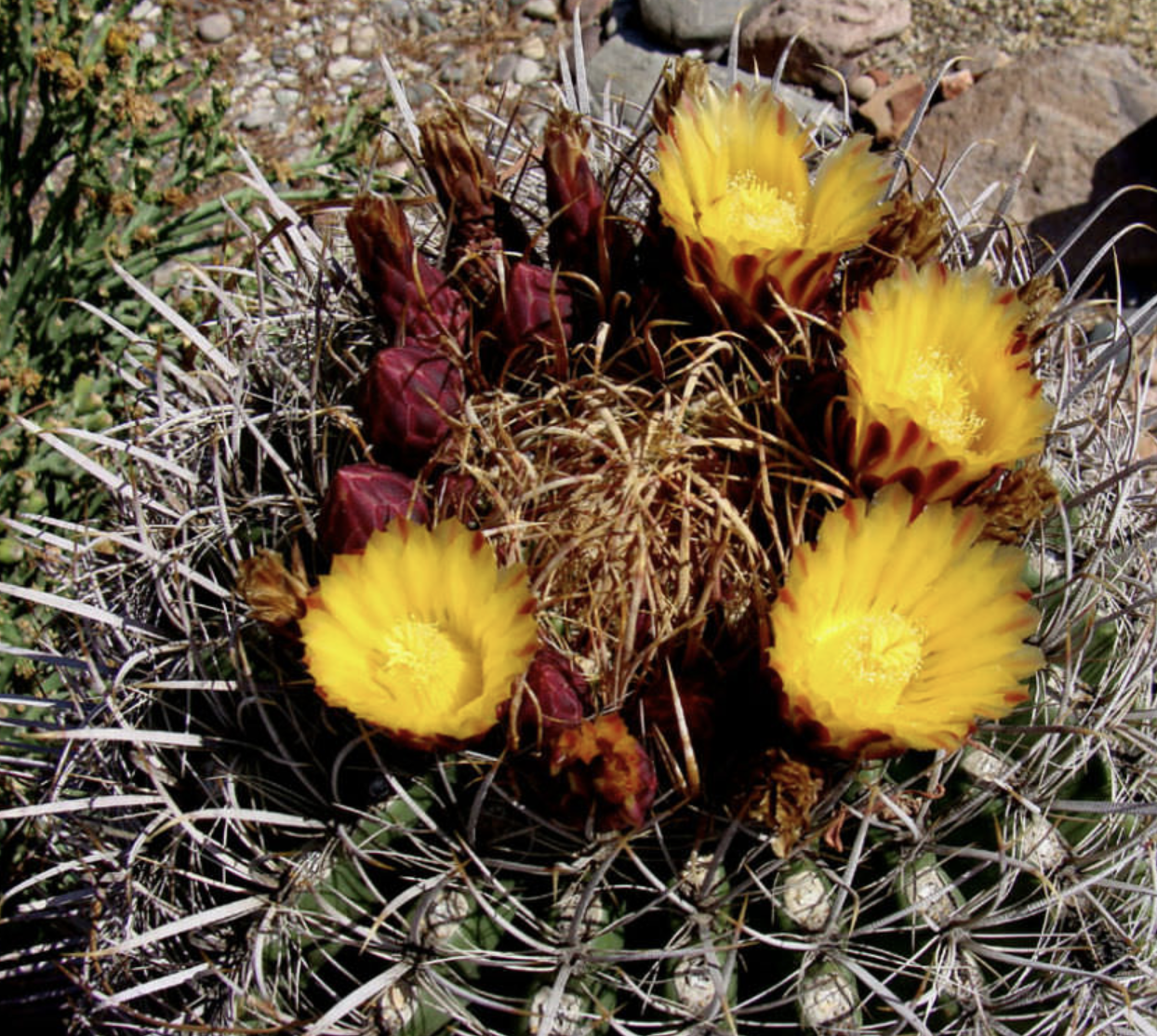
Of course, in an all-male group of instructors and students, there is no empathy, mostly laughter.
Then we finally get the study material for the first jet trainer I would fly, the Cessna T-37. We called it the Tweety Bird. It is so loud that we were warned multiple times that we needed ear protection or else. We used to say it converts JP-4 (military-grade jet fuel) into noise.
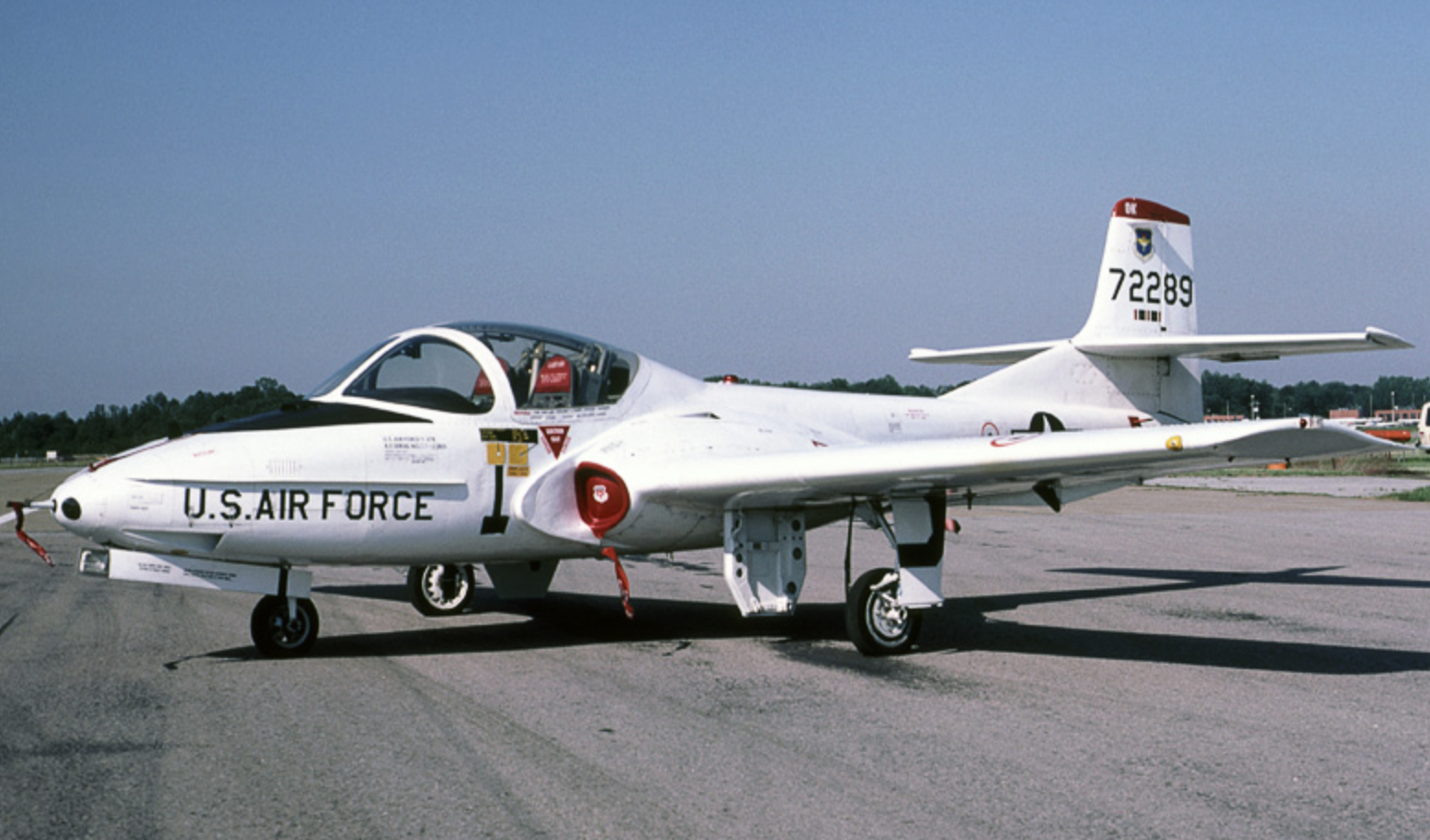
But before we ever touched one we had many weeks of ground instruction. Checklist practice, simulator flights, Dash-1 (the technical manual that details the airplane from a pilot perspective) study.
It included memorizing what we called the “boldface”. Those had to be committed to memory because if that particular emergency were to occur, these steps had to be accomplished before pulling out the emergency procedures checklist. For example in the case of an engine fire (we had two engines) you don’t want the fire burning while you are pulling out the checklist, so you do the first steps by memory.
ONE ENGINE FAILURE, FIRE OR OVERHEAT DURING TAKEOFF (Affected engine)
THROTTLE - RETARD
FUEL SHUTOFF T-HANDLE - PULL-OFF
THROTTLE - CUT-OFF
In fact, when we started training in them our class would form up in the operations classroom and we could get grilled on any one of the 9 memory groups. If you got as little as one word wrong, you could be grounded from flying that day and go to hours of remedial training. And most Air Force pilots will tell you that they still remember much of the boldface from the T-37 and T-38 trainers 50+ years later.
The Tweet had side-by-side seating with the student in the left seat and the instructor in the right. The instructor pilot (IP) would demonstrate and I would imitate the maneuver until I could do it satisfactorily. Being seated right next to me, sometimes he would grab my oxygen hose and shake my helmet to make a point. It was here we did acrobatic maneuvers to show we had mastered the plane: barrel roll, aileron roll, Immelmann, split S, and loops. My stomach could handle most of those. But when it came to doing spins…well, not so much.
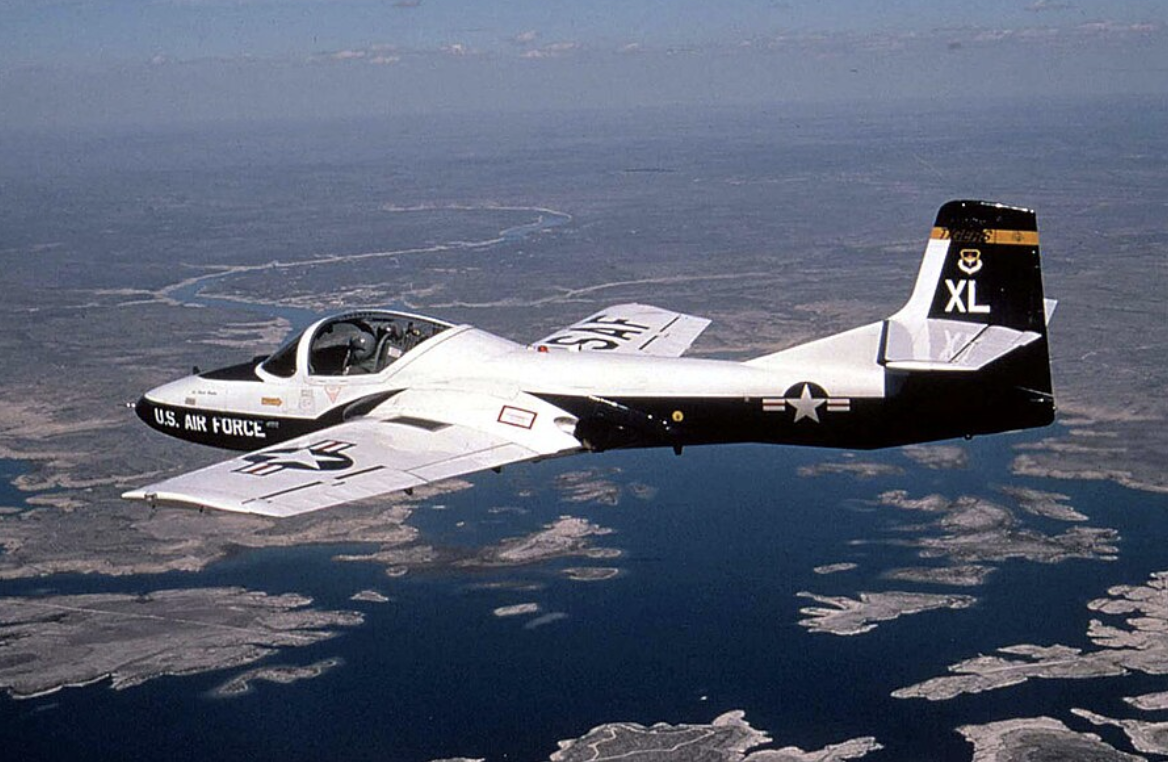
This was the only airplane where I was taught to intentionally spin the plane. To be an FAA approved airplane, if the airplane went into a spin all the pilot would have to do is release all flight controls and take your feet off of the rudder pedals. The plane would then come out of the spin naturally.
Not so in the Tweet. So we had bold print for the spin and we practiced it from about the 5th mission until nearly the end of that phase of the program. Not only were you graded on coming out of the maneuver, but it included being graded on how well you could get yourself into that situation... on purpose. Here is the boldface.
Throttles – Idle
Rudder and Ailerons – Neutral
Stick – Abruptly full aft and hold
Rudder – Abruptly apply full rudder opposite spin direction (opposite turn needle) and hold
Stick – Abruptly full forward one turn after applying rudder
Controls – Neutral after spinning stops and recover from dive
If you did any of these actions out of order, you could fail to come out of the spin. Which usually meant imminent contact with terra firma.
I cannot fully explain the physical effects my body when we did this maneuver. (It was never done when you were flying solo, by the way.) Some park rides come close, but you are being spun in circles at 1.5 to 2 G’s while vertical forces run your stomach through the wringer. (G’s are G-force and represent the amount of gravity that is pulling on a body. We all walk around daily at 1G. Zero G’s is weightless like astronauts in outer space. 2Gs your body weight is doubled, 3Gs tripled, etc.) And, yes, I inevitably out my white plastic sick bag and fillied it up right after the spin finished. I got very good at that part of the maneuver.
I also learned to eat foods that came up easily and didn’t taste too bad that second time. At a different time, when the Air Force was flush with pilots, I would probably have been forced out of pilot training. The doctors considered getting air sick a form of fear of flying. I wasn’t afraid, it was my inner ear not adjusting to some very unnatural forces. Otherwise, I had “good hands” and flew well. But the instructors knew that if they lost another student (4 had washed out within the first 2 months) they would not be able to keep up their flight time. So they made an allowance for this, knowing that spins were not the norm. God was watching out for me.
I made it through T-37 training with the knowledge that I was not going to be a fighter pilot. Which just confirmed my initial desire which was to fly the B-52 bomber. Then on to the next phase which was the Northrop T-38 Talon, or White Rocket as we would call it.