After two years in the ROTC program, that summer of ’72, I went to our officer training boot camp at Fairchild Air Force Base, near Spokane, Washington. It was 6 weeks long and we had our own “drill sergeants” but they were Captains (O-3) assigned to Air Force Reserve Officer Training Corps (ROTC) units. It was every bit as intimidating as enlisted boot camp and, like all military boot camps, you learn a lot about yourself and teamwork.
That fall I was now a junior at the University of Puget Sound (UPS). Since I had lasted 2 years, had a decent GPA, and successfully passed the boot camp, it was time to start my pilot training.
It started with the military instructors on UPS campus giving us “ground school”. This is where they explained a little bit about aerodynamics…thrust, drag, lift, etc. Classes were on weather and especially dangerous weather like high winds, icing, thunderstorms, and so forth. Some of the FAA (Federal Aviation Administration) rules and regulations, particularly what it takes to get our private pilot’s license. It wasn’t stated at the time, but we all quickly understood that this was another filter in the process to become a pilot.
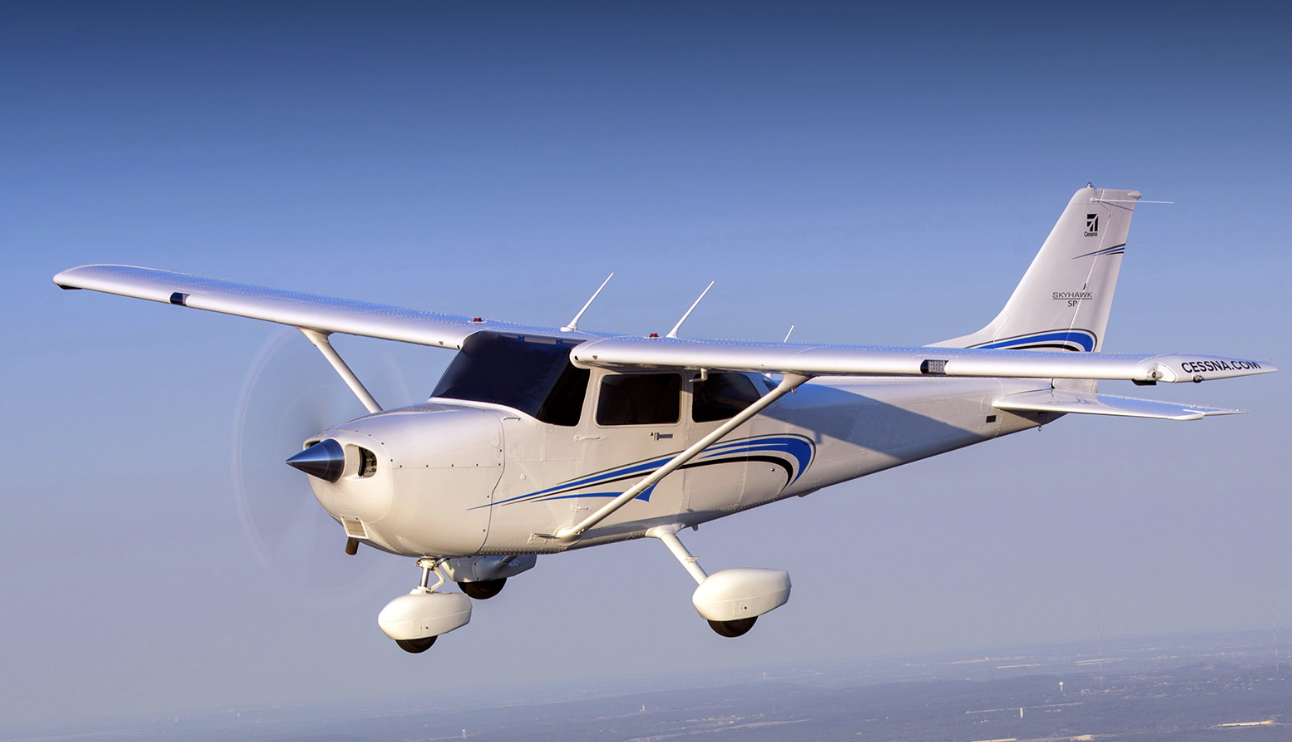
The Cessna 172 is a high wing airplane with fixed landing gear and unpressurized (which means only flights below 13,000 feet) capable of carrying 4 people.
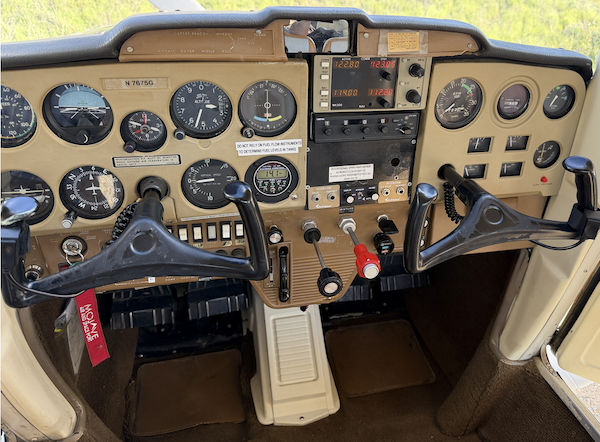
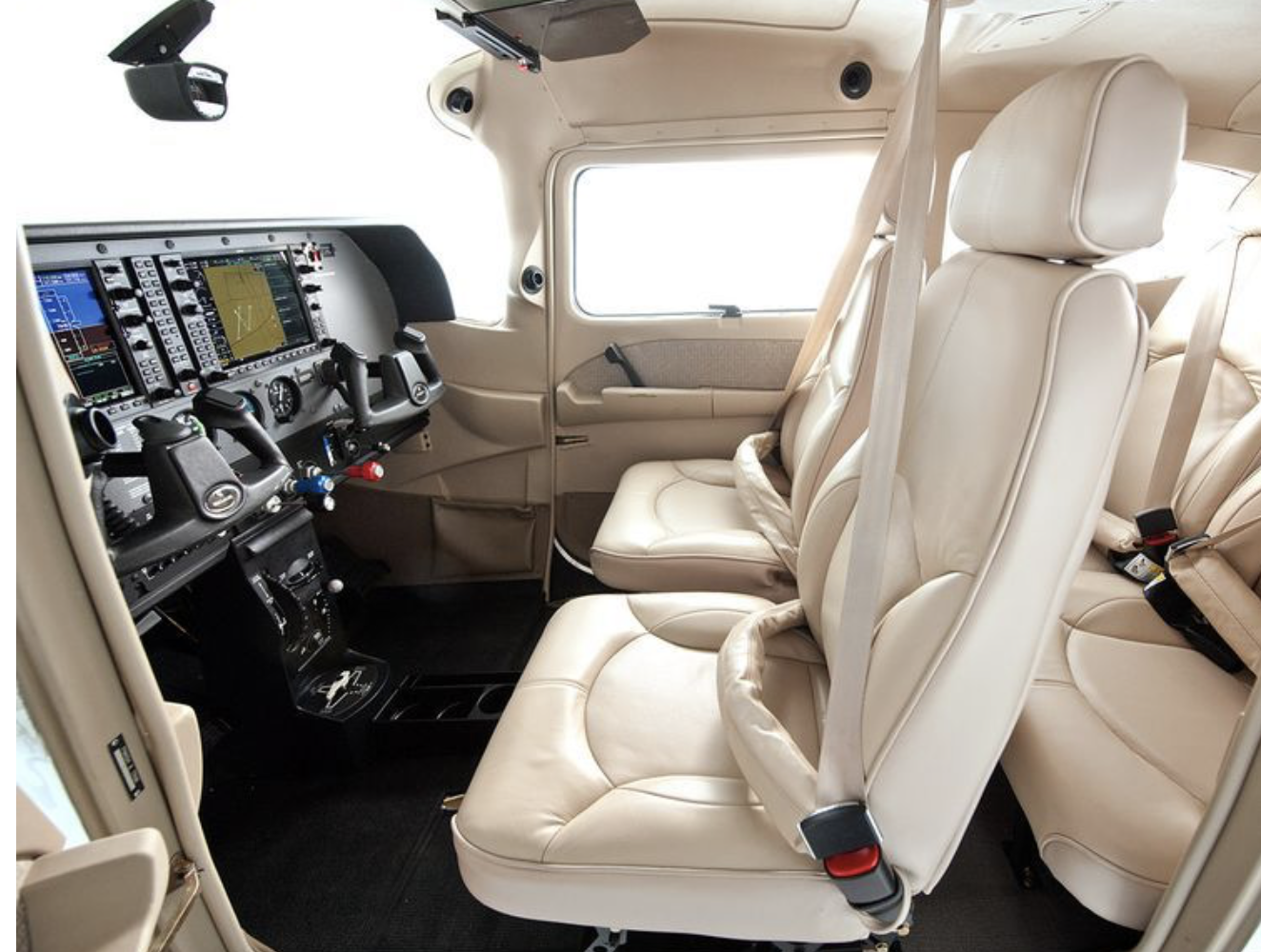
The student sits in the left seat and the instructor pilot (IP) sits in the right seat. There were two more seats behind us that were unoccupied. If you’ve ever been inside one, you know how cramped it is.
Flying seems fun and easy on the ground if you’ve never been at the controls. But that first flight in a Cessna 172 was an electrifying experience. Unlike heavy commercial jets, it jerked and rolled at the slightest winds and control inputs. That first flight was scary and exciting at the same time. I had never experienced that before and it was addicting. Each flight was between 1.5 and 2 hours.
My Instructor Pilot (IP) was a civilian who was contracted by the ROTC unit. He was every bit of 300 pounds and sitting side by side in that small cockpit it was challenging not to poke him in his gut when operating the controls and throttle. He was very experienced and jovial, however, and taught me life lessons I am sure weren’t in the curriculum.
The first lessons were simply learning to run a checklist and operating the radio to get permission from the ground control, tower, and departure control to start engines, taxi, takeoff and then to wander around Western Washington to do the required maneuvers to get my license.
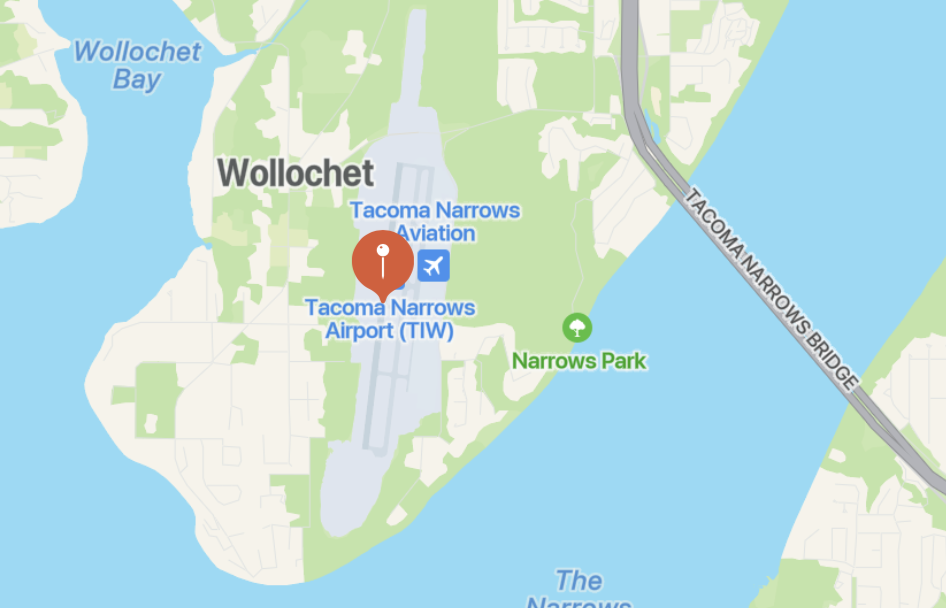
Our airfield was Tacoma Industrial Airport (abbreviation - TIW). It is now called Tacoma Narrows Airport.
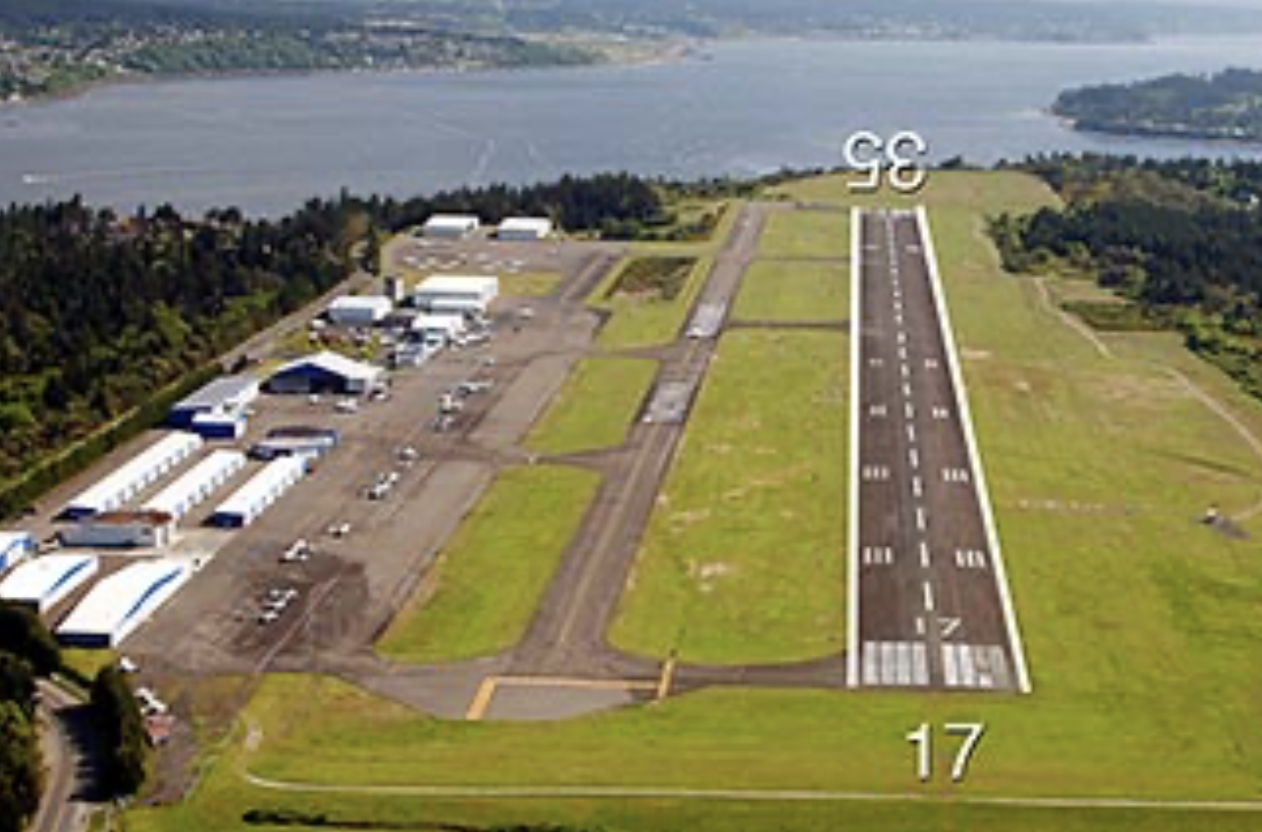
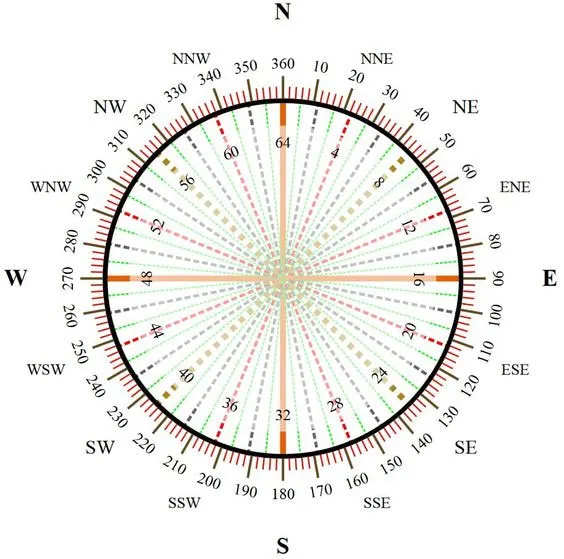
We almost always took off and landed to the south on runway 17. If you did not know the runway number is a point on the compass minus a zero. So runway 17 is a heading of 170 degrees. 180 degrees is due south. The opposite runway is always 180 degrees or exactly the opposite of the runway. So runway 17's opposite is 170+180=350, or runway 35. 360 degrees is due north.
That meant we were out over the waters of the Puget Sound within 2 minutes. All of the first flights were what the FAA calls, Visual Flight Rules (VFR). That means staying out of the clouds as I wasn’t qualified to read the instruments well enough to fly the airplane without looking outside.
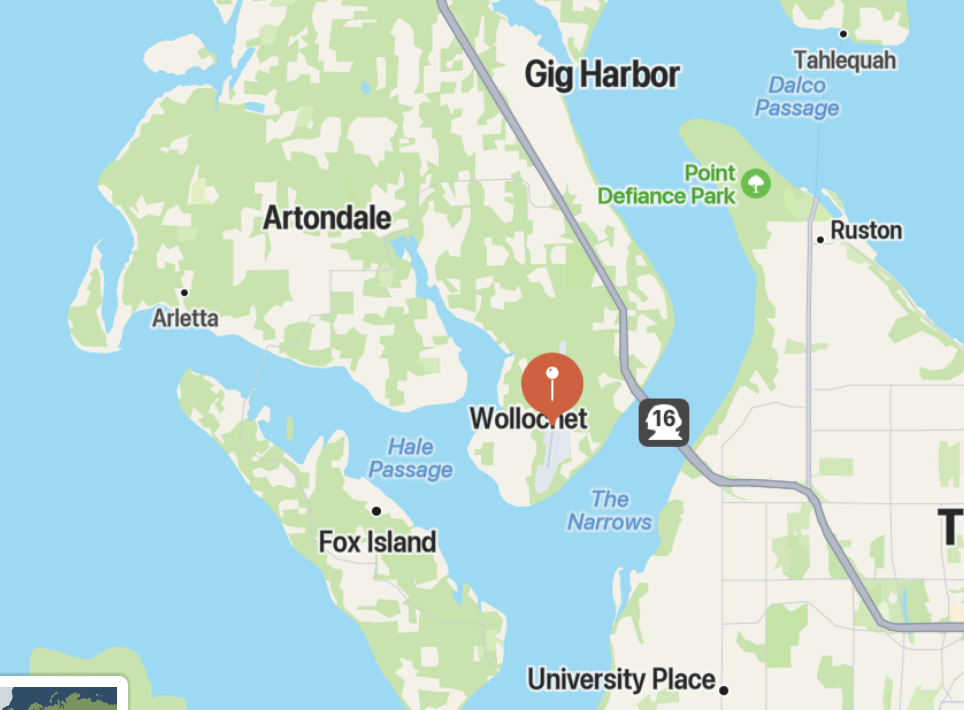
Most of our maneuvers were over the Artondale area. It was mostly forest with very few populated areas.
Just in case.
With some 4 flights under my belt in the local area, we moved on to other local airports to experience issues like traffic patterns, altitudes, radio communications, uncontrolled airfield procedures, etc.
With about 20 hours, I and my instructor did our usual routine but just before engine start, he looked over at me and smiled…patted me on the shoulder and told me “Keith, today you are going solo.”
Solo flight is a rite of passage and a real milestone. It indicates you are capable of doing flight in that airplane on your own.
Not EVERYTHING, but the routine takeoff, maybe sight seeing, maneuvering a little, then back to the field for the landing. It was exhilarating to me. Yes, it was thrilling but I was also uncertain. As it so happened, I stayed very cautious, just enjoying the views that few people can experience.
I remember my IP telling me once, “There are old pilots and bold pilots, but no old, bold pilots.” Not that we don’t do something thrilling on almost every ride, but no taking dumb chances. Unlike earth bound vehicles like ships or cars, flight is very unforgiving. Lose your only engine and unlike a boat or car, you have about 90 seconds at 2000 feet to decide your own fate. More often than not it is usually fatal.
There are a few different ways to celebrate the solo flight, but the most common is getting your shirt tail cut off. Another is getting doused by a bucket of cold water. Since I was wearing a basic T-shirt that day, I got the water. I couldn’t keep from smiling the whole time.
Next were cross country flights to airports further away like Bellingham to the north or Vancouver, Washington to the south. We didn’t go east because of the Cascade mountain range. You typically have to fly above 10,000 feet and we didn’t have oxygen masks.
Then came night flights where you had to rely more on the instruments for flight attitude as there is no horizon for a reference. I found night flights to be peaceful. There were fewer instances of turbulence after sunset, so it was always smoother. And the mix of various ground lighting was spectacular.
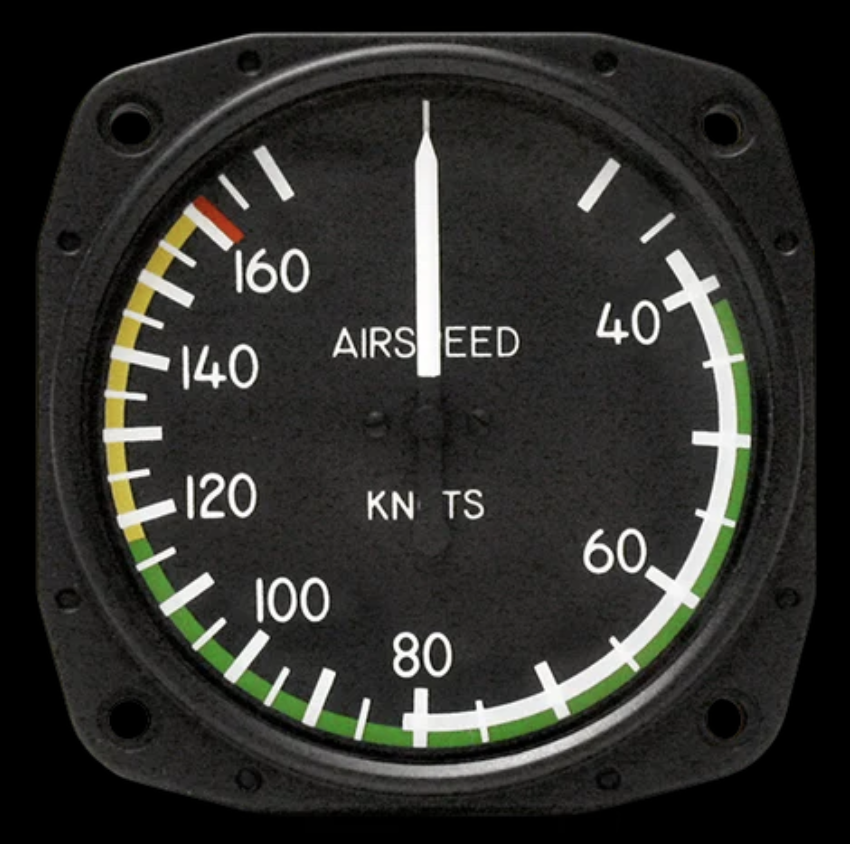
The message was made clear every flight and in many different ways I was reminded that being a pilot meant risk…every time you get airborne. On one night flight at about 6,500 feet we were over a forest on the Olympic Peninsula and my IP reached over and brought the throttle back to idle (the lowest propeller speed short of shut down) and said, “You just lost your engine, what are you going to do?” It was night, pitch black below, we weren’t near any beach (my first choice of ditching locations would be just off shore). So I truthfully told him, “I have no idea.” So he instructed me. “Set up like you would for a landing. Turn on a base leg, then crosswind, then onto a final approach like a runway was down there. Keep your airspeed in the white band while descending.
The white band is your friend if you lose an engine.
As you roll out on final, turn on your landing lights.” My eyes very wide open, I responded, “But what if there are nothing but trees ahead of me?” He calmly responded,
“Then turn off the lights.”
He was actually saying that we just use our pilot skills as best we can but God is in control and will decide the outcome.