I graduated from the University of Puget Sound on May 25, 1974 with a Natural Science degree...mostly biology courses.
On graduation day after the cap and gown ceremony, I was commissioned as a Second Lieutenant in the Air Force.
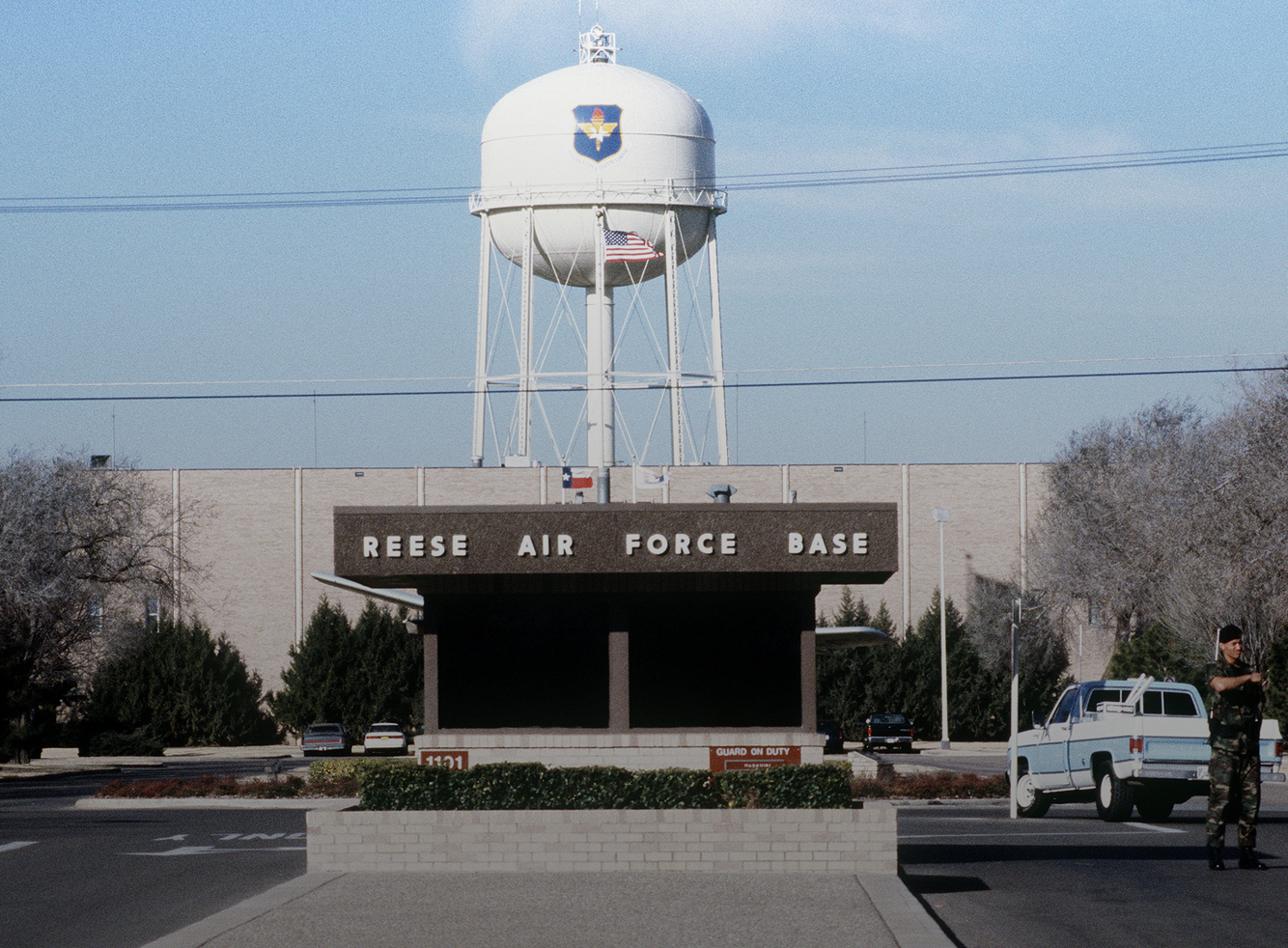
I had orders to go to Reese Air Force Base near Lubbock, Texas, for the rest of my pilot training. This was called Undergraduate Pilot Training.
Getting the gold bars of a Second Lieutenant in the United States Air Force.
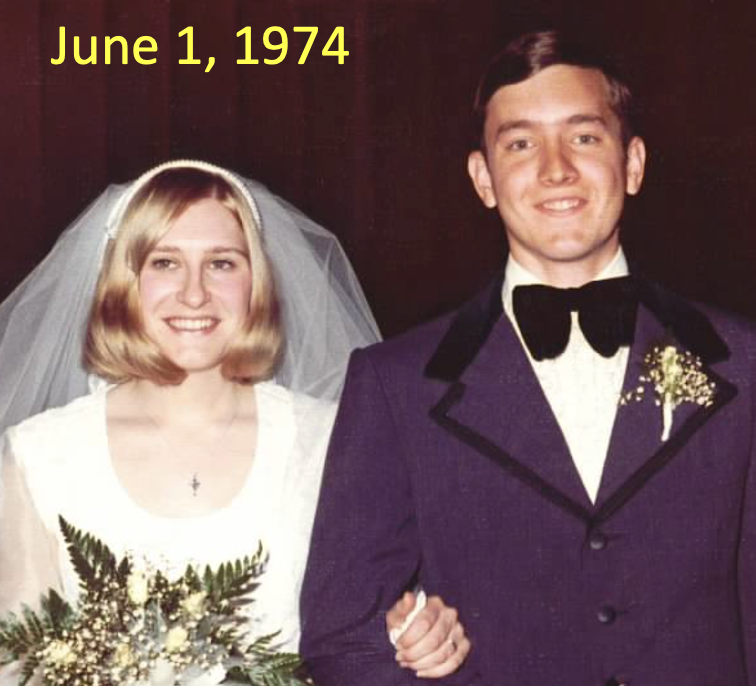
A week after being commissioned, I would marry that Lakes High alumni girl on Saturday, June 1, 1974.
We would be together for the next 50 plus years. The best decision for my earthly future
In August 1974, my bride, Jody Andrews, and I arrived at Reese Air Force Base, Texas.
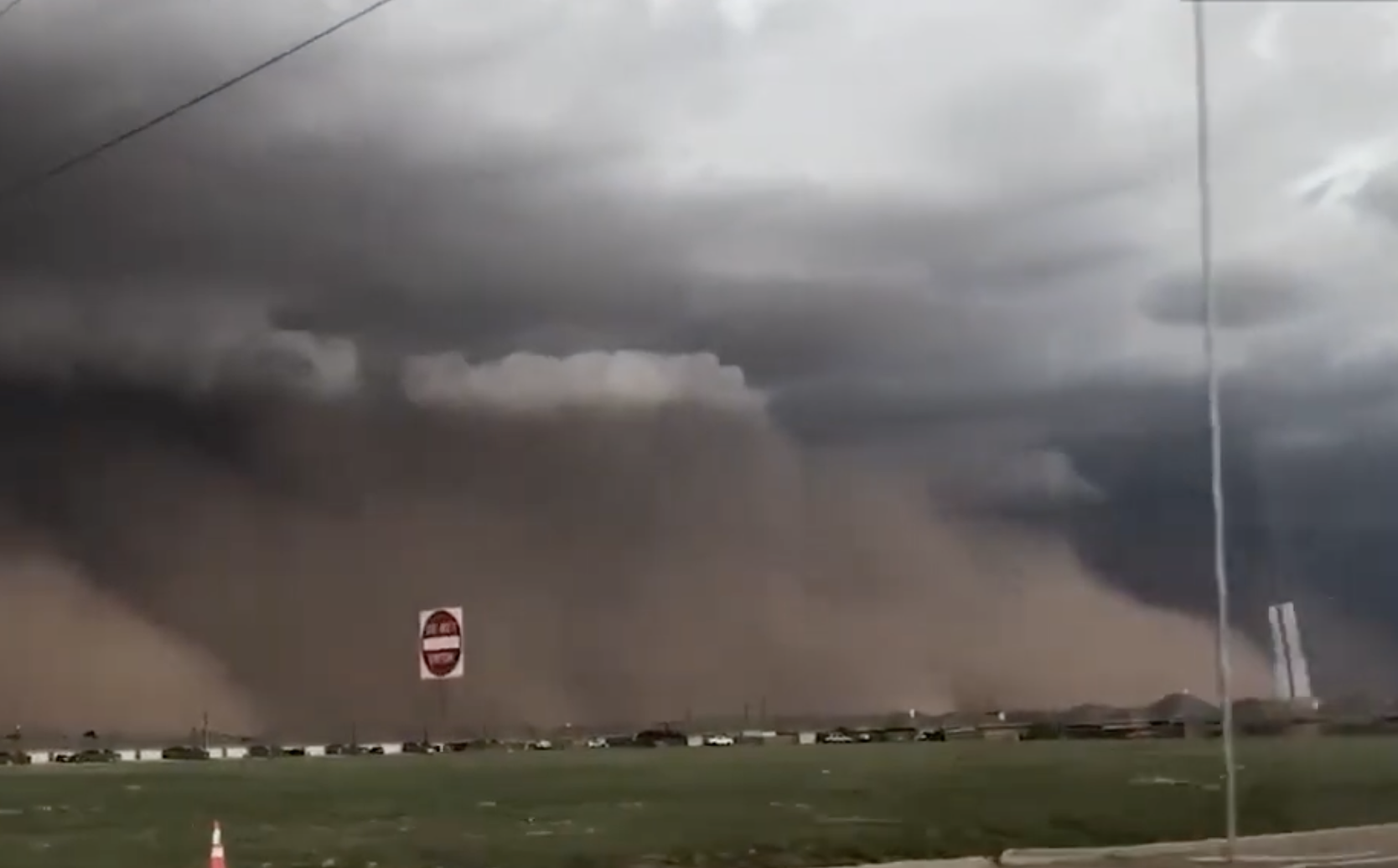
Flat, red dirt, windy, and almost no trees. We lived in base housing in a two bedroom, 800 square foot home. Jody was a phenomenal house organizer and made everywhere we lived into "home". At Reese, she would wipe the red dust off of the white appliances one day and with the next high wind (every other day it seemed) it would need dusting again. She was not happy there and I didn’t blame her. But she was a wonderful Air Force wife, putting up with things most women would go through a divorce to get away from.
Because the Vietnam War was winding down, the need for pilots was also winding down and the classes were downsized so much that I had to take a non-pilot job for 9 months before a pilot training class would open up for me.
I was assigned as a Supply, Services, and Sales Officer. I worked for the Commissary Officer initially. I had 3 months of training at Fort Lee, Virginia, to learn all about that job. From inventory to orders, butcher to produce display, I was blessed to learn it all. Hey, if this didn't work out, Piggly Wiggly was going to be an easier transition!
To broaden my experience, the Base Commander put me in charge of the Bachelor Officer and Visiting Officer quarters. These were full apartments for single officers stationed at Reese for training and a motel, of sorts, where visiting officers would stay temporarily. It was like having a Best Western motel responsibility and everything that comes with it from housekeeping to reservations to handling complaints.
While doing this I had an additional duty as the Mortuary Affairs Officer.
As the Mortuary Affairs Officer I was only called on once to investigate the death of two pilots in training. They were both bachelors and had rented a Cessna 150. The night before I was called they had crashed and the next morning a team of us went to the crash site. The team included experienced pilot investigators, my immediate boss, and a civilian from the FAA accident investigation unit called the NTSB (National Transportation Safety Board).
When we got to the accident site, I thought there had been a mistake. I didn’t see an airplane on the flat plains where we were parked. My boss got out of the car and I followed with 5 others towards a small, black mound no larger than a gopher mound. That small mound was the remains of the airplane that was buried into the hard packed Texas clay and two bodies that had burned so bad they had shrunk to unrecognizable masses. The plane was sunk so deep and completely consumed/burned so badly that no piece of it was sticking up to disrupt the flat landscape. Just a slight mound made by the two occupants.
The small radius of the plane , the deep impact, and the complete destruction led to the conclusion that the plane had been traveling straight down at a very high speed. It could have been from a stall or trying to do a loop too low to the ground, God only knows.
The largest pieces were the gear which was buried two feet into soil the hardness of concrete. The bodies were just above that. We formed a team and did a concentric circular pattern to pick up pieces (human and airplane) up to about 100 yards from the crash site. A lot of photos were taken and finally the remains were handed over to my team and were put into black bags with handles. They were sadly light to lift. We took them to the base morgue and it was late night before I got home. I gave Jody a long hug before bedtime.
It was a stark reminder that flying is an unforgiving mode of transportation. Lose engine power in a ship or motor vehicle, you will probably survive. Lose all power in an airplane in the sky, depending on your altitude, you have between 2 to 15 minutes to make a decision that may or may not save your life. The images that day stuck with me and made me very particular in planning my flights for fuel needs, terrain, and proper navigation. Oh, and no horseplay. I figured that was a lesson the Lord wanted me to learn the easy way.
As my instructor said, "There are old pilots and bold pilots, but there are no old bold pilots."